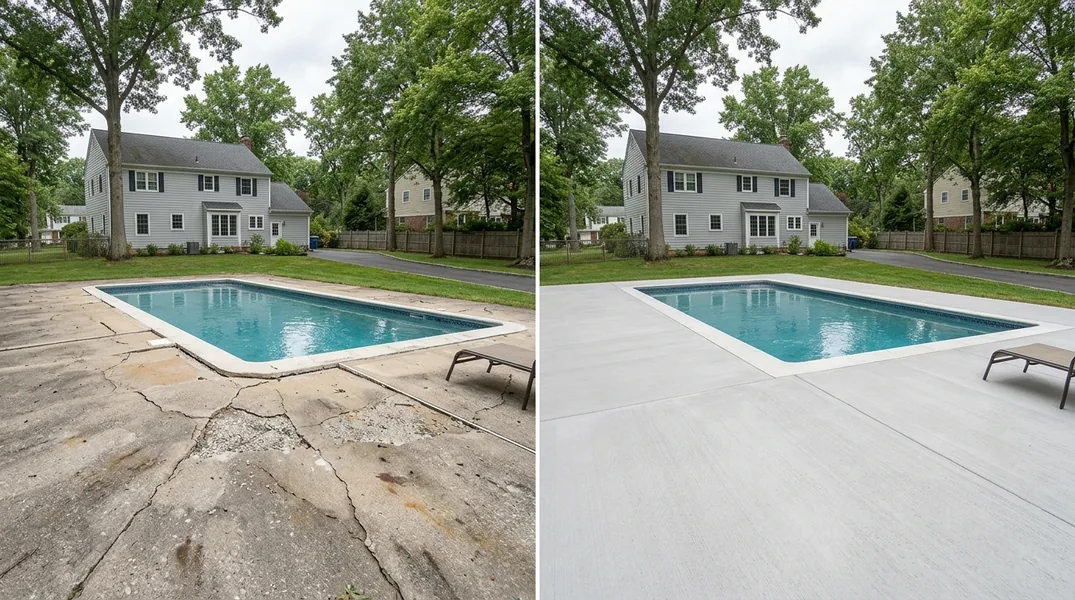
Concrete vs. Pavers: Understanding Your Options
When it comes to upgrading your driveway or patio in Paterson, you're likely weighing two popular choices: concrete and pavers. Both materials have earned their place in residential landscaping, but they offer distinctly different benefits and drawbacks. Understanding the key differences between these options is essential before making a decision that will shape your home's curb appeal and functionality for years to come.
Concrete Driveways represent a time-tested solution that has dominated the market for decades. Concrete is a single, monolithic surface created by pouring a mixture of cement, water, and aggregates that hardens into a solid mass. Pavers, by contrast, are individual units (typically made from concrete, clay, or natural stone) that are laid side by side to create a surface. This fundamental difference in construction and material composition leads to significant variations in performance, maintenance requirements, and overall cost. By understanding how these materials compare across several important factors, you can make an informed choice that aligns with your budget, aesthetic preferences, and long-term maintenance expectations.
Durability and Longevity: Which Lasts Longer?
Durability is often the first consideration for homeowners investing in outdoor surfaces. Concrete driveways typically last between 25 to 30 years with proper maintenance, and some well-maintained installations have exceeded 40 years. The lifespan depends heavily on climate conditions, installation quality, and how well you care for the surface. In Paterson's northeastern climate, freeze-thaw cycles during winter can accelerate concrete deterioration if the surface isn't sealed and maintained properly. Concrete can develop cracks over time due to soil settlement, heavy loads, or temperature fluctuations, though these issues can often be addressed with Concrete Repair and Resurfacing services.
Pavers generally match or exceed concrete in lifespan, often lasting 25 to 50 years depending on the material quality and installation. The advantage of pavers lies in their modularity: if individual pavers crack or become damaged, you can replace just that unit without affecting the entire surface. This flexibility makes pavers an attractive option for homeowners concerned about long-term repair costs. However, paver installation in New Jersey requires a solid base foundation and proper compaction, and the joints between pavers can shift over time, potentially creating uneven surfaces. The durability of pavers also depends on the quality of the base material and edge restraints used during installation.
Maintenance Requirements: Concrete vs. Pavers
Maintenance is where these two materials diverge most noticeably. Concrete surfaces require regular sealing every 2 to 3 years to protect against water penetration, salt damage, and UV rays. Without proper sealing, concrete becomes vulnerable to staining, efflorescence (white powdery deposits), and accelerated deterioration. You'll also need to sweep or wash your concrete surface periodically and address any cracks promptly to prevent them from spreading. De-icing salts used during New Jersey winters can be particularly harsh on concrete, so many homeowners in the region opt for calcium chloride or other less aggressive alternatives.
Pavers require a different maintenance approach. The joints between pavers can collect debris and may need periodic cleaning with a pressure washer. Weeds can grow through these joints, requiring occasional weeding or application of herbicides. On the positive side, pavers don't require the regular sealing that concrete demands, though sealing paver joints can help prevent weed growth and sand erosion. If you're willing to invest time in maintenance, pavers offer a more hands-on but potentially more flexible approach. For busy homeowners, concrete's simpler maintenance routine might be more appealing, even though it requires regular sealing investments.
Cost Comparison: Concrete Driveways vs. Paver Installation in New Jersey
When evaluating pricing for these materials, initial installation costs are a critical factor. Concrete driveways typically cost less upfront than pavers, generally ranging from $4 to $8 per square foot for basic concrete installation. This lower entry price makes concrete an attractive option for budget-conscious homeowners. However, this baseline can increase significantly if you opt for Stamped and Decorative Concrete finishes, which can add $8 to $12 per square foot or more to your project cost.
Paver installation in New Jersey typically costs more initially, ranging from $10 to $20 per square foot depending on the material type and design complexity. Premium pavers made from natural stone can push costs even higher. While the upfront investment is greater, some homeowners view this as a long-term value proposition because individual pavers can be replaced without redoing the entire surface. Over a 30-year period, the total cost of ownership may be comparable when you factor in concrete's regular sealing and potential repair needs. To understand the true cost for your specific project, it's worth getting a free estimate from Paterson Concrete, where our team can assess your property and provide detailed pricing tailored to your needs.
Aesthetic Appeal and Design Flexibility
Aesthetics matter when choosing outdoor surfaces, and both concrete and pavers offer design possibilities. Traditional gray concrete provides a clean, modern look that complements many home styles. However, concrete has evolved significantly. Today's options include colored concrete, exposed aggregate finishes, and Stamped and Decorative Concrete that mimics the appearance of stone, brick, or wood. These decorative options allow you to achieve high-end aesthetics at a fraction of the cost of natural materials, making concrete increasingly popular among design-conscious homeowners.
Pavers offer unmatched design flexibility due to their individual nature. You can create intricate patterns, blend multiple colors, and achieve custom designs that would be difficult or impossible with poured concrete. Natural stone pavers provide authentic elegance, while concrete pavers offer budget-friendly alternatives with impressive visual variety. For homeowners seeking a distinctive, personalized look for their driveway or Concrete Patios, pavers often win on design versatility. The choice ultimately depends on whether you prioritize classic simplicity or bold customization.
Climate Considerations for Paterson Homeowners
Paterson's climate plays a significant role in determining which material performs better long-term. The region experiences cold, snowy winters with freeze-thaw cycles that challenge outdoor surfaces. Concrete can suffer from this cycle as water penetrates small cracks, freezes, expands, and causes additional damage. Proper sealing and good drainage are essential for concrete in this climate. Salt and de-icing chemicals used on roads and driveways during winter can also damage concrete if not properly protected, making regular maintenance particularly important for Paterson homeowners.
Pavers handle freeze-thaw cycles somewhat differently because they're individual units that can shift slightly without cracking. However, the joints between pavers can collect water that freezes and thaws, potentially causing settling or shifting over time. A properly installed base with excellent drainage is crucial for paver performance in New Jersey's climate. If you're deciding between these options in Paterson, consider consulting with local experts who understand regional weather patterns. Paterson Concrete's team has years of experience installing both materials in our specific climate zone and can recommend the best choice for your situation. Call us at (862) 319-8282 to discuss your project with our knowledgeable professionals.
Looking for a professional concrete contractor in Paterson? Paterson Concrete responds fast for all your concrete needs.
Get a Free QuoteOur services: Concrete Driveways · Concrete Patios · Stamped & Decorative Concrete